Choosing between a brand-new home and an existing one in Arlington Heights is not as simple as picking “modern” versus “classic.” In this market, the decision often comes down to timeline, inventory, upkeep, and how much change you want to take on after closing. If you are trying to decide which path fits your budget and lifestyle, this guide will help you compare the trade-offs with Arlington Heights specifically in mind. Let’s dive in.
Arlington Heights Market Context
Arlington Heights is a mature suburban market, not a large-scale new development area. According to the Village’s Comprehensive Plan, redevelopment of residential areas is a major local issue, and older homes are increasingly being replaced by larger new homes as available land becomes more limited.
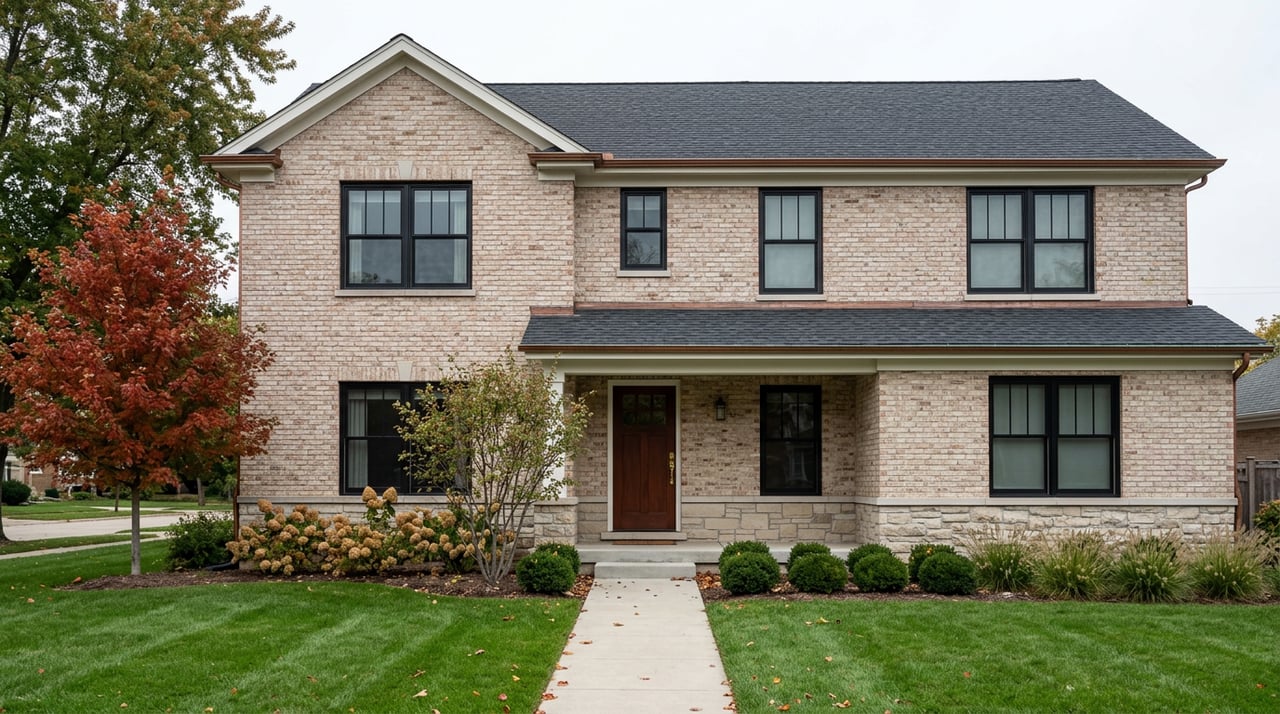
That matters because “new construction” here usually does not mean a sprawling subdivision with dozens of similar homes. More often, it means an infill lot, a teardown and rebuild, or a custom home on a limited number of available sites. Current online searches also show only a small number of new-construction listings in the village, which helps explain why this choice can feel so competitive.
The broader housing picture also supports that demand. The Village reports a strong owner-occupied housing base, while recent market data cited in the research show a median sale price of $525,000 in March 2026 and describe Arlington Heights as a seller’s market in early 2026. In short, both new and existing homes can attract attention quickly.
What New Construction Looks Like Here
In Arlington Heights, new construction tends to be highly localized. Rather than opening up new subdivisions, many projects involve replacing older homes with larger newly built homes that must fit within existing blocks and lot patterns.
The Village’s planning and design guidance makes that clear. New homes are expected to consider neighborhood character, site layout, nearby homes, bulk, massing, and materials, according to the Village of Arlington Heights Comprehensive Plan. That means even new homes are shaped by the surrounding streetscape.
Price is another important factor. The research report notes recent examples that include active new-construction listings around $1.56 million to $1.8 million, along with a 2025-built home on 0.46 acres that sold for $1.875 million. In this market, new construction is often tied to the higher end of the single-family segment.
Why Buyers Choose New Construction
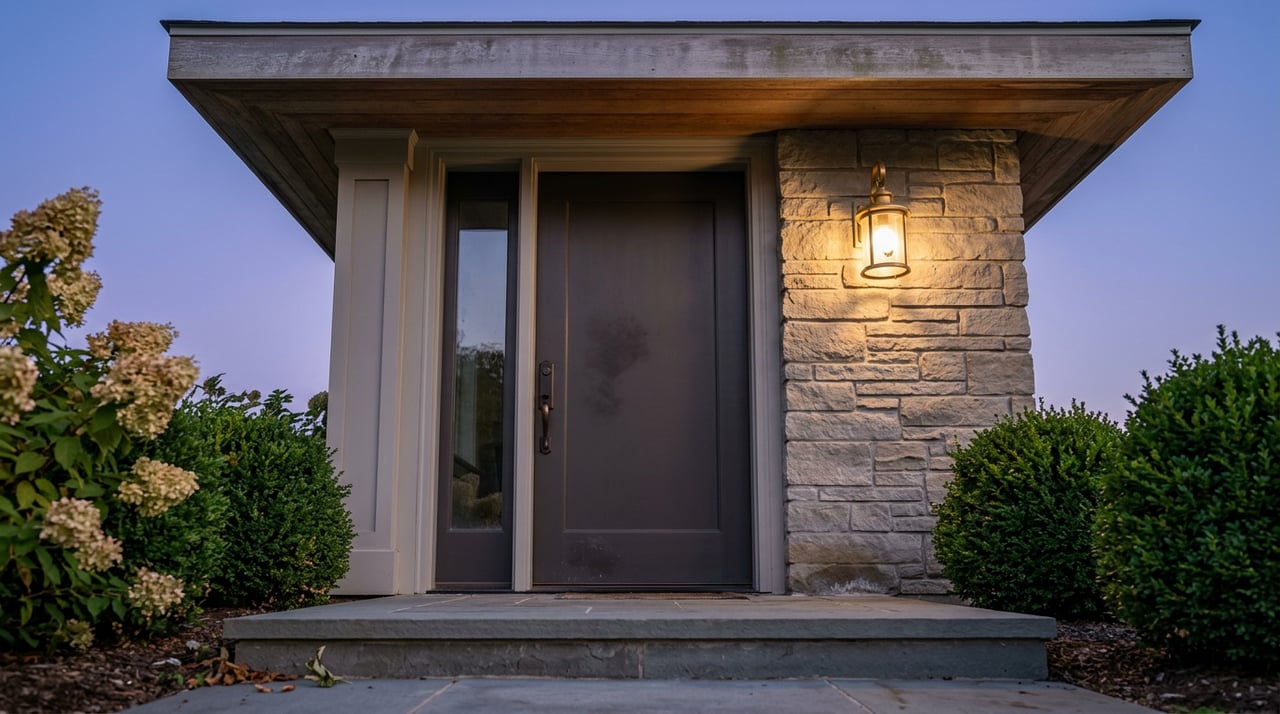
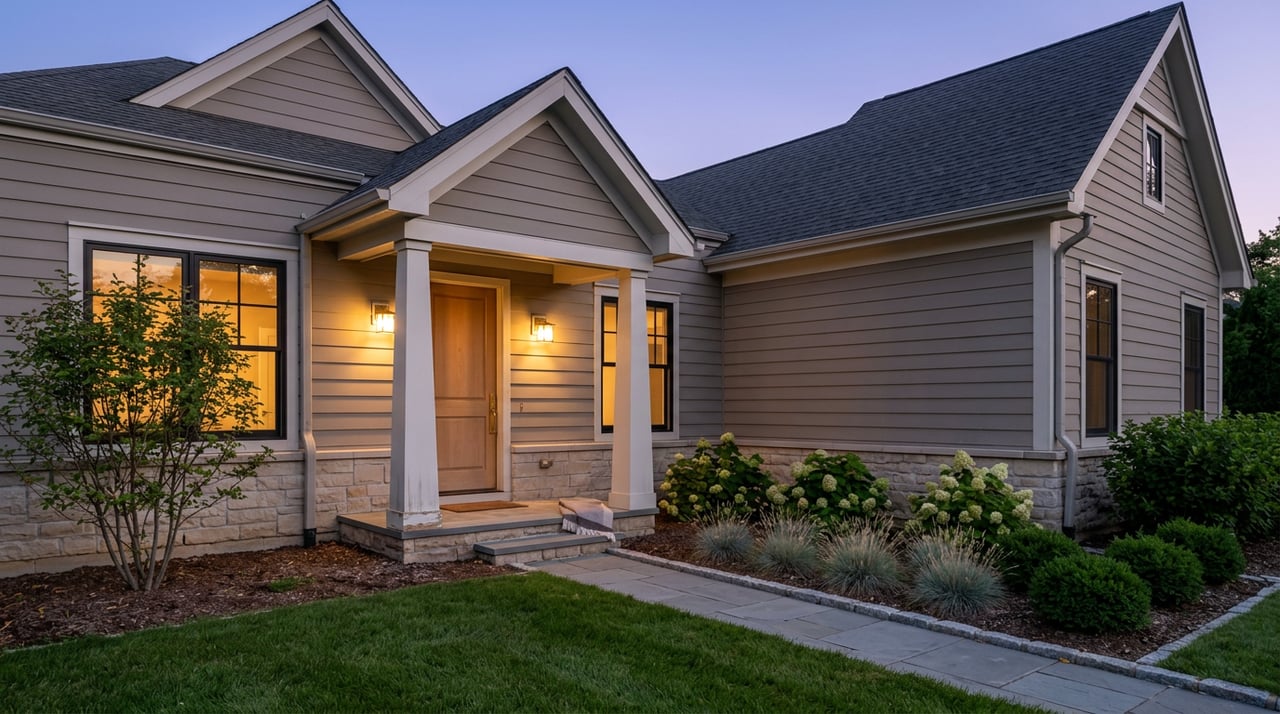
The biggest appeal of new construction is simple: everything is new. You are typically getting newer systems, finishes, structure, and a more current floor plan, which can reduce the need for immediate repairs or remodeling.
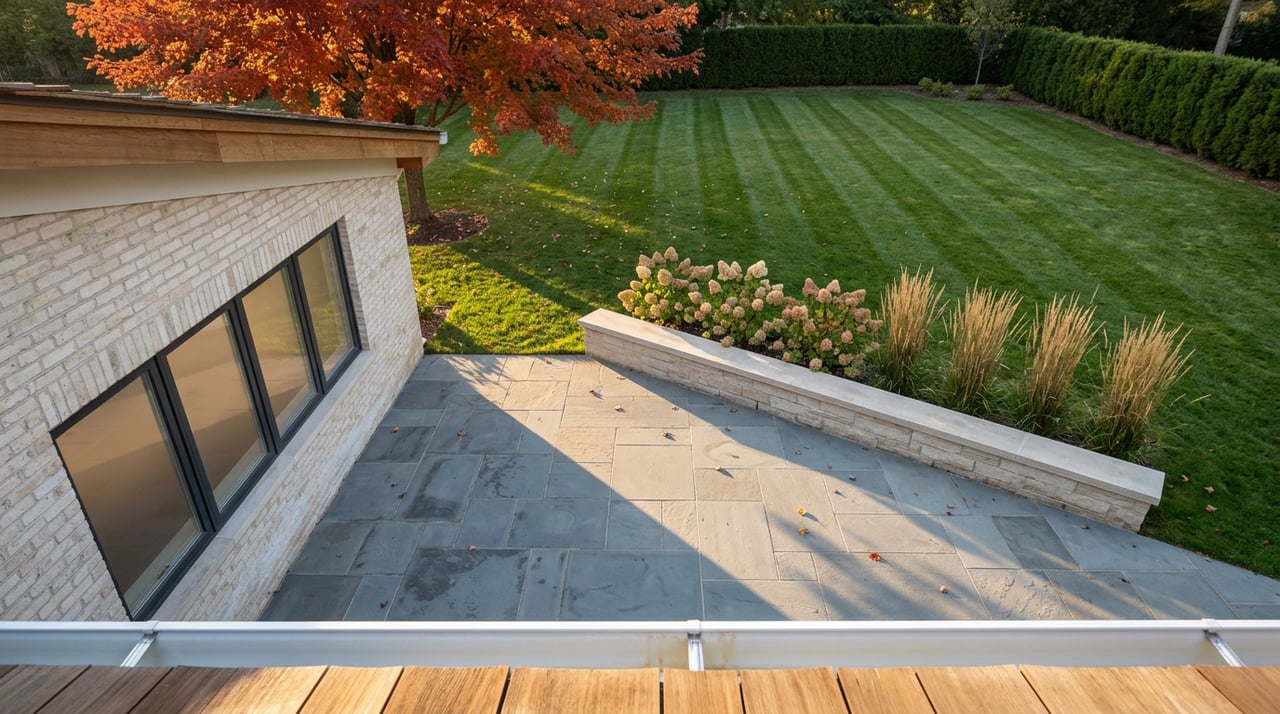
Customization also plays a major role. Depending on the stage of the build, you may be able to influence finishes, layout elements, or upgrades, which is a big advantage if you want a home that feels more tailored to your preferences.
For some buyers, that combination of fresh systems and personalization is worth the wait. If you want less near-term renovation work and a home designed around current living patterns, new construction can be a strong fit.
What to Watch With New Construction
New does not mean effortless. The Federal Trade Commission’s guidance on warranties for new homes explains that builder warranties usually cover specific components and time periods, not every possible issue.
HUD consumer guidance also makes clear that newly built homes are not maintenance-free. You may still deal with punch-list items, warranty follow-up, landscaping completion, or smaller adjustments after closing.
Timeline is another key consideration. Arlington Heights permit guidance shows that projects move through the Village’s process, including portal registration, licensed contractors, required inspections, and final sign-off that work matches approved plans, as outlined in the Village’s permit packet materials. That extra municipal layer can mean a longer path between contract and move-in.
New Construction Taxes Matter
One of the most overlooked parts of buying new construction is the future tax bill. If you are comparing a newly built home to an existing one, you should look beyond the current tax amount attached to the lot or pre-construction parcel.
The Cook County Assessor’s new-construction reporting form states that the owner on January 1 is liable for increased taxes tied to new construction from the date the occupancy permit is issued, or from when the improvement is habitable and fit for occupancy, through December 31. In practical terms, that means your post-completion taxes may be very different from what you first see on paper.
Before you move forward, ask for a realistic estimate based on the completed home. That can help you compare monthly costs more accurately and avoid surprises later.
Why Existing Homes Still Appeal
Existing homes remain the core of the Arlington Heights market. They reflect the village’s different development eras, from areas near the railroad station to inter-war neighborhoods and the larger post-World War II residential buildout described in the Village Comprehensive Plan.
For many buyers, that means a stronger sense of place from day one. You can usually see how the block feels, how the house sits on the lot, and how the home relates to the surrounding streetscape without having to imagine a future result.
Existing homes also tend to offer a faster path to occupancy. Because the house is already built, your focus shifts from construction timing to condition, inspection results, and closing logistics.
The Trade-Off With Existing Homes
The biggest compromise with an existing home is that you inherit its age and maintenance history. In a mature suburb like Arlington Heights, the Village identifies maintenance of the existing housing stock as a primary concern, along with preservation, renovation, and property maintenance standards.
That does not mean existing homes are a poor choice. It means you should expect a different kind of planning. Depending on the property, you may face earlier updates to roofing, HVAC, windows, kitchens, bathrooms, or drainage.
This is where due diligence matters. The Consumer Financial Protection Bureau recommends keeping an inspection contingency so you are not locked into a purchase if a home inspection reveals serious issues.
New Construction Versus Existing Homes
If you are trying to simplify the decision, it helps to compare the two options side by side.
| Factor | New Construction | Existing Home |
|---|---|---|
| Inventory in Arlington Heights | Limited, often infill or teardown/rebuild | Broader selection across established neighborhoods |
| Move-in timeline | Usually longer due to permitting, inspections, and build completion | Usually shorter because the home is already built |
| Customization | Higher, especially before completion | Lower upfront, though renovation is possible later |
| Immediate repairs | Often fewer at first | More variable depending on age and condition |
| Tax clarity | Can be less predictable after completion | Usually easier to evaluate from current records |
| Neighborhood feel | Often on established blocks, but the home itself is new | Established streetscape and visible context from the start |
For Arlington Heights specifically, the local trade-off is clear. New construction often gives you customization and fresh systems, but with a longer timeline, limited lot supply, and more tax uncertainty. Existing homes often give you neighborhood maturity, established character, and quicker occupancy, but with more repair and renovation uncertainty.
Questions to Ask on Tours
Whether you are touring a brand-new home or an older one, asking better questions can save you time and money.
Ask These for New Construction
- Is this a true new build, a teardown and rebuild, or an existing home with major recent work?
- What is included in the base price, and what counts as an upgrade?
- What is the projected completion date?
- What is the current permit and inspection status?
- How will the final tax assessment likely change after completion?
- What does the builder warranty cover, and for how long?
Ask These for Existing Homes
- What major updates have been completed, and when?
- What repairs are likely in the first few years?
- Were additions or remodels properly permitted?
- How old are key systems like roof, HVAC, and windows?
- Are there drainage or water-management issues to know about?
- What did the sellers disclose about ongoing maintenance?
Which Option Fits You Best?
New construction may be the better fit if you want a more current layout, fewer immediate repairs, and the chance to personalize finishes, while staying flexible on timing and budget. In Arlington Heights, that often means targeting a smaller pool of higher-priced homes and understanding the build process in detail.
An existing home may make more sense if you value a quicker move, want to compare a wider range of homes, or prefer an established neighborhood setting where the block and lot are already fully visible. You may need to budget for updates, but you may also gain more options and a more predictable timeline.
The right answer depends on how you weigh convenience, customization, condition, and cost over time. In a market like Arlington Heights, that balance is especially local, which is why experienced guidance can make such a difference.
If you are weighing new construction against an existing home in Arlington Heights, working with a team that understands neighborhood context, pricing, and property positioning can help you make a more confident choice. Connect with The PAK Group for thoughtful, local guidance tailored to your move.
FAQs
What does new construction usually mean in Arlington Heights?
- In Arlington Heights, new construction is usually infill development or a teardown and rebuild rather than a large new subdivision, according to the Village’s planning documents.
What are the main benefits of buying a new-construction home in Arlington Heights?
- New construction typically offers newer systems, more modern layouts, and more customization, with fewer immediate repair needs than many older homes.
What are the main risks of buying new construction in Arlington Heights?
- The main concerns are limited inventory, longer timelines tied to permits and inspections, possible punch-list and warranty follow-up items, and less predictable taxes after completion.
Why do many buyers still choose existing homes in Arlington Heights?
- Existing homes offer a wider selection, established neighborhood context, and a faster path to move-in, which can be very appealing in a competitive market.
Should you get an inspection on an existing Arlington Heights home?
- Yes. The CFPB recommends keeping an inspection contingency so you can uncover serious issues before you are committed to closing.
How should you compare taxes on new construction versus existing homes in Arlington Heights?
- For new construction, ask for a post-completion tax estimate because the final tax burden may be much higher than the taxes shown for the lot or pre-construction property.