Outgrowing your first Mount Prospect home but not sure where to go next? You want a little more space, a simpler commute, and confidence that your next move fits your life for years. You are not alone, and there is a clear way to decide. In this guide, you will learn how the local market is trending, which neighborhoods and home types to consider, how nearby suburbs compare, and the most practical paths to buy and sell with less stress. Let’s dive in.
Mount Prospect market at a glance
If you are planning a move this year, it helps to anchor on real numbers. As of January 2026, Redfin reports a median sale price in Mount Prospect of about $375,000, with a median 59 days on market and a sale-to-list ratio near 98.4 percent. Zillow’s index view shows a higher typical value near $416,000 and a faster median time to pending near 19 days. These sources measure different things, so expect some variation across months and home types.
Local baselines also help you plan. Mount Prospect has a population near 55,500 and a homeownership rate around 70 percent, with a median property value near $377,000, according to recent summaries on DataUSA. Those numbers make it easier to shape a realistic target price for your next home, especially if you want a 4-bedroom layout or a newer townhome option. You can explore the broader community profile on the DataUSA Mount Prospect profile.
Bottom line: plan for a market that rewards well-prepared listings and clean offers. Your strategy may shift by neighborhood and price band.
Where to look in Mount Prospect
Downtown and transit-oriented choices
If you want close access to the UP-NW Metra line, dining, and services, focus on the downtown core around Emerson and Prospect Avenue. The village has advanced downtown redevelopment and noted added residential units in the last decade near downtown and Randhurst, which gives you more newer, lower-maintenance options to compare. You can see a current example of planning work at the Village’s Busse and Emerson site.
Randhurst Village is another lifestyle anchor. The former mall site is now a mixed-use district with retail, dining, and a cinema that adds convenience and weekend options. Learn more about the area on the Randhurst Village overview.
Established single-family neighborhoods
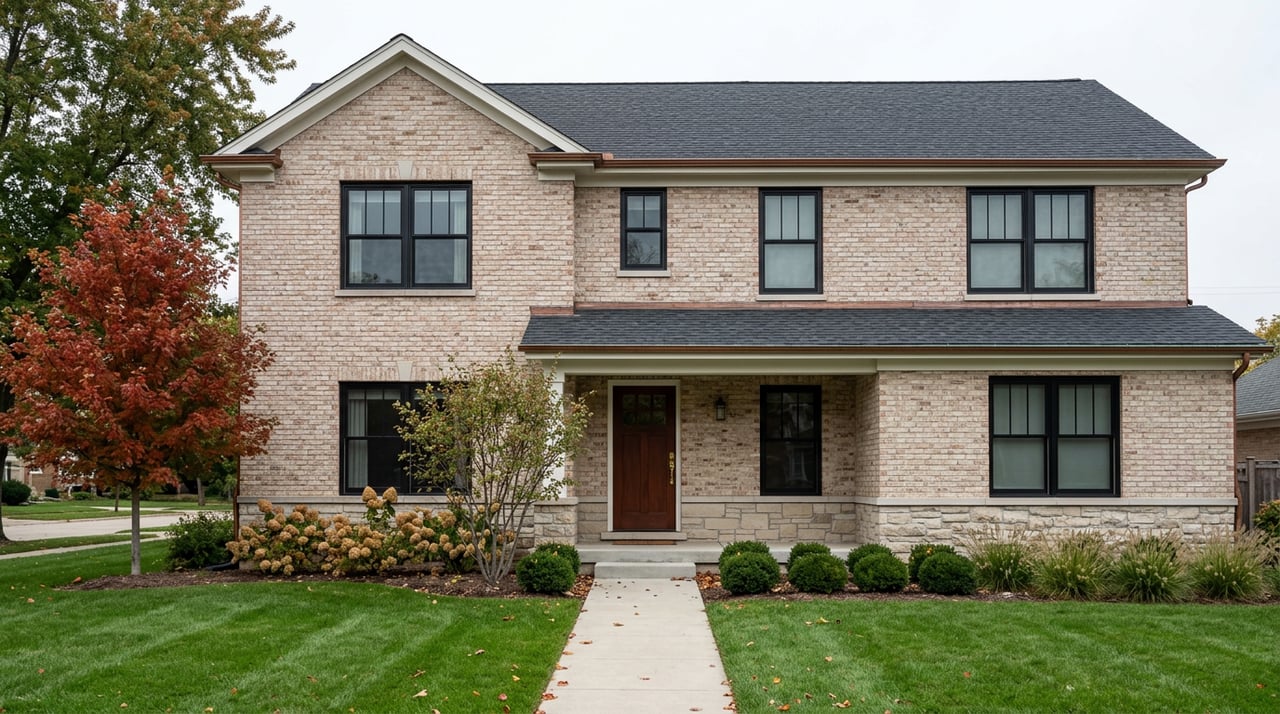
Many Mount Prospect blocks feature mid-century homes. You will find a wide mix of brick ranches, split-levels, Cape Cod and Colonial-style houses that offer solid bones and yard space, often at more approachable prices than newer builds. Inventory quality and updates vary by street.
If you are filtering by micro-neighborhood names used in listings, you may see areas like Scarsdale, Golden Acres, Ransom Ridge, Ballard Terrace, Courtland Park, and Emerson Place. Use them as search cues, then compare actual blocks and homes since prices and updates change house by house. For a high-level view of Mount Prospect’s housing vintage and structure types, see the city-level housing summary.
What this means for your search
- If you want lower maintenance soon after closing, weigh newer infill condos or townhomes near downtown and Randhurst.
- If you want a yard and room to grow, target mid-century single-family homes where you can update kitchens and baths over time.
- If you want both, expand your radius to streets that balance transit access with family-friendly blocks.
Commute, schools, and daily life
Metra and driving context
The Mount Prospect Metra station on the UP-NW line is a major advantage if you rely on rail. You can review parking and station details on Metra’s Mount Prospect station page. For drivers and frequent travelers, the Village highlights proximity to O’Hare at about 20 minutes and roughly 23 miles to downtown Chicago. See the business overview for travel context on the Village of Mount Prospect site.
Every commute is personal. Before you write an offer, test your drive times at typical hours and check Metra schedules for your target address.
Schools snapshot
Most Mount Prospect K–8 students attend Mount Prospect School District 57. Many high school students attend Prospect High School within Township High School District 214. Boundaries can shift by address, so always verify for the home you want. Start with the District 57 site and Prospect High’s page within District 214.
Note: school quality is best measured by your own priorities. Review district resources and visit if possible to understand programs, coursework, and activities that matter to your family.
Compare nearby suburbs
Move-up buyers often weigh staying in Mount Prospect against moving to a nearby suburb. Here are simple, current-feeling scenarios using January 2026 market snapshots:
- Same budget, more walkable downtown: Arlington Heights often runs higher on price, with a Redfin median near $495,000. Many buyers trade up in price for a larger, well-developed downtown and similar Metra access.
- Same budget, a bit more house: Des Plaines has a median near $369,000 in recent snapshots. You may get slightly more space for the money and quick access to I-294 and I-90.
- Newer subdivisions and larger lots: Schaumburg shows a median near $340,000 but varies by neighborhood. Expect more auto-oriented living and strong retail access near Woodfield.
- Stretch option for a different profile: Glenview’s median is materially higher. If your budget allows, you will see different home styles and amenity sets common to North Shore markets.
Use these comparisons to shape your tour list. If commute and walkability come first, you may favor Mount Prospect or Arlington Heights. If size and price per square foot lead, you may look harder at Des Plaines, Palatine, or Schaumburg.
Decide with a simple framework
Before you shop, write your minimums and nice-to-haves. Then rate each target home with a quick score. Start with these five pillars.
1) Space needs
- Bedrooms for today plus a five-year plan
- Bathrooms for morning flow and guests
- A quiet work location or flex room for hobbies
- Storage, garage space, and a finished or finishable basement
2) Commute and mobility
- Set a firm door-to-door cap for daily trips
- Note drive times at peak hours and test the UP-NW schedule from the Metra station
- Consider school and work destinations that change traffic patterns
3) Neighborhood feel and walkability
- Decide if you want a sidewalk block near parks and downtown, or a quieter street closer to retail
- Downtown blocks around Emerson and Prospect often feel more walkable, while the Randhurst area tends to be more auto oriented
- Visit at different times to check noise, parking, and lighting
4) Home style and maintenance risk
- Older mid-century homes may need updates in roofs, mechanicals, kitchens, and baths
- Newer infill or recent builds cost more up front but can reduce near-term maintenance
- Factor your appetite for projects in year one
5) Budget and property taxes
- Add mortgage, insurance, utilities, and estimated Cook County property taxes to your monthly total
- Illinois has a higher effective property tax burden than many states, so weigh this as you compare suburbs. See state-level context on the Tax Foundation’s property tax data
Quick comparison worksheet
Create a simple sheet with columns for Address, List Price, Estimated Monthly Cost, Commute Minutes, School District, Lot Size, Year Built, Immediate Projects, and an Overall Score. Weight the score roughly as Price 30 percent, Commute 20 percent, Schools 15 percent, Lot 15 percent, Maintenance 10 percent, and Walkability 10 percent. Rank your top 5 to 8 homes.
Offer and negotiation posture
Mount Prospect often sits in a balanced to moderately competitive range. Recent snapshots show homes taking about two months to close once listed, with many going under contract sooner. Use days on market and the sale-to-list ratio by price band to pick the right posture.
- If a home is fresh to market with strong activity, consider clean terms and fewer contingencies.
- If a home has aged on market, you may have room to negotiate price or credits.
- Always pair price with terms that match the seller’s timing needs.
Financing and timing options that work
Most move-up buyers choose one of four paths. Each has tradeoffs. Your lender and agent can help you pick the best route for your situation.
1) Sell first, then buy
- Pros: You tap your equity for the next down payment and carry one mortgage at a time.
- Cons: You may need temporary housing or a fast purchase window.
- Best for: Buyers who want lower financial risk and who see steady inventory in their target area.
2) Buy first, then sell
- Pros: You move once and shop with less time pressure.
- Cons: You may carry two mortgages for a period.
- Tools to consider: Some lenders offer bridge loans or buy-before-you-sell programs. Review fees and timelines. For an overview of how these programs work, see Bankrate’s guide to Knock.
3) iBuyer or guaranteed-sale style products
- Pros: Convenience and speed, which can simplify your next purchase timeline.
- Cons: Service fees and potentially lower net proceeds than a traditional sale.
- Best for: Households that value a very predictable process more than top-dollar pricing.
4) Contingent offers
- Pros: Protection if your current home does not sell in time.
- Cons: Weaker in competitive scenarios. Many sellers prefer a non-contingent buyer.
- Best for: Markets or price bands where days on market are longer and sellers are flexible.
A practical eight-week timeline
- Weeks −6 to −2: Meet at least two lenders, get full preapproval, and request a current market analysis for your home. Line up staging and listing prep if you plan to sell.
- Weeks −2 to 0: Finalize target neighborhoods, confirm commute checks, and schedule showings. If you plan to renovate after closing, pre-book contractor walk-throughs.
- Weeks 0 to +4: Launch your listing or finalize financing for a buy-first plan. Expect local days on market near two months, with faster timelines for well-priced homes.
- Weeks +4 to +8: Negotiate inspection items, manage appraisal, and align close dates for a smooth move.
How The PAK Group helps you move up
You deserve a next home that fits the way you live, without a stressful process. As a boutique, Compass-backed team serving Mount Prospect and the North and Northwest suburbs, The PAK Group brings a curated, hyperlocal approach to move-up buying and selling.
- Search strategy: We help you define must-haves, then organize tours by commute, school map, and maintenance profile so every showing moves you forward.
- Pricing and prep: For your current home, we pair data-driven pricing with staging-first presentation and Compass tools to help you capture demand and close with confidence.
- Offer guidance: We match offer terms to market conditions in your price band and neighborhood, balancing speed, protections, and net proceeds.
- Smooth coordination: Named team members manage details from preapproval to close so you can focus on the move.
Ready to talk through your plan and timeline? Reach out to The PAK Group to request your complimentary home valuation and next-home strategy.
FAQs
What price range should I expect for a 4-bedroom home in Mount Prospect?
- Recent snapshots show a median sale price near $375,000 and a higher index value near $416,000 as of January 2026. Many 4-bed homes trade above the median, depending on location and updates.
Which Mount Prospect areas are closest to the Metra station?
- The downtown core around Emerson Street and Prospect Avenue places you near the UP-NW line. Confirm parking and schedules on the Metra station page and test your door-to-door time.
How do school districts work in Mount Prospect?
- Many K–8 students attend District 57 and high school students attend Prospect High within District 214, but boundaries vary by address. Verify on District 57 and District 214 before you offer.
Is it smarter to renovate my current home or move within Mount Prospect?
- Compare your five-year space needs and total costs. If you can reach your must-haves with a realistic remodel budget, staying can make sense. If not, a move to a larger or newer home may be more efficient.
How can I compete if I need to sell my home first?
- Get fully preapproved, prep and stage your listing, and consider timing tools like a brief rent-back to the buyer. In some cases, lender bridge options can help, but weigh fees and risk with your advisor.