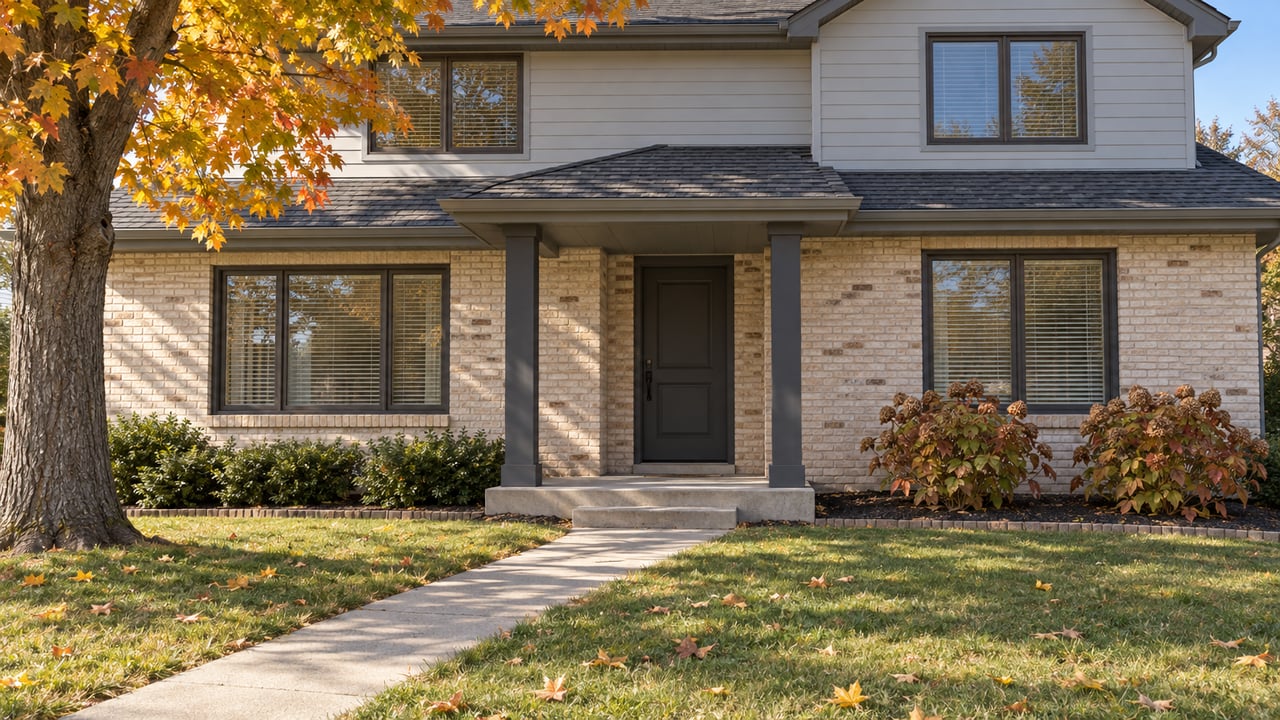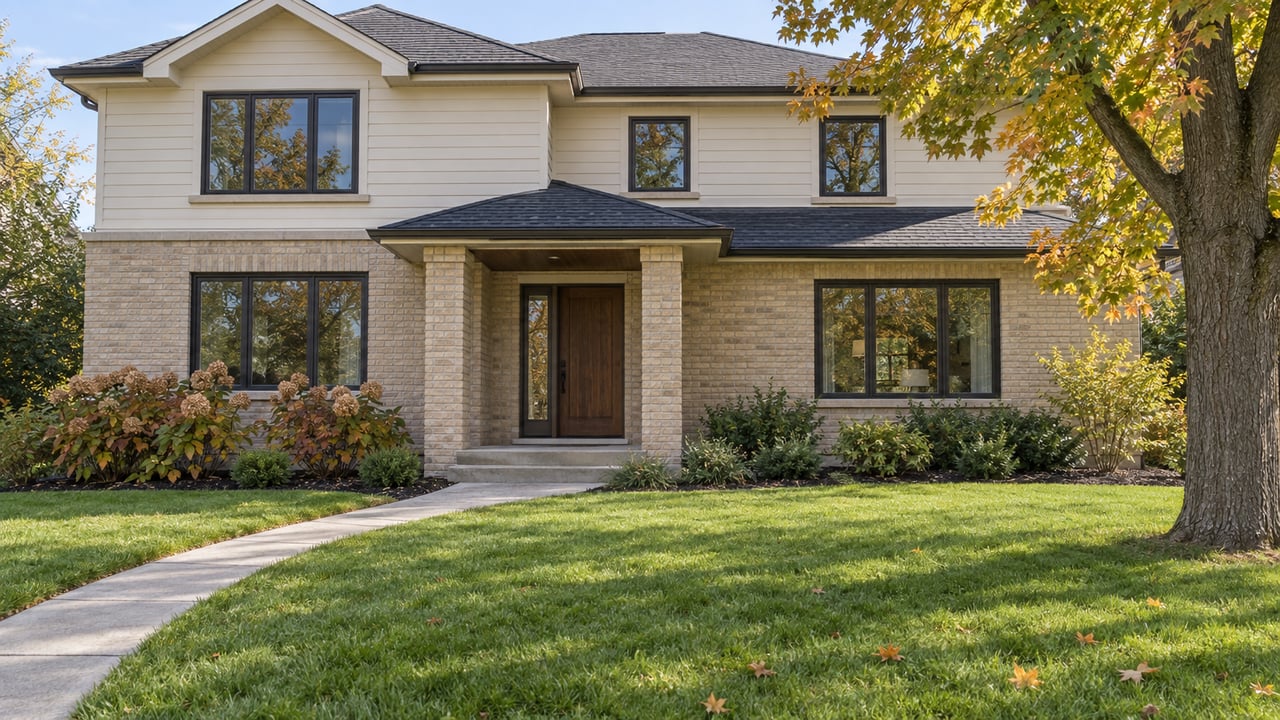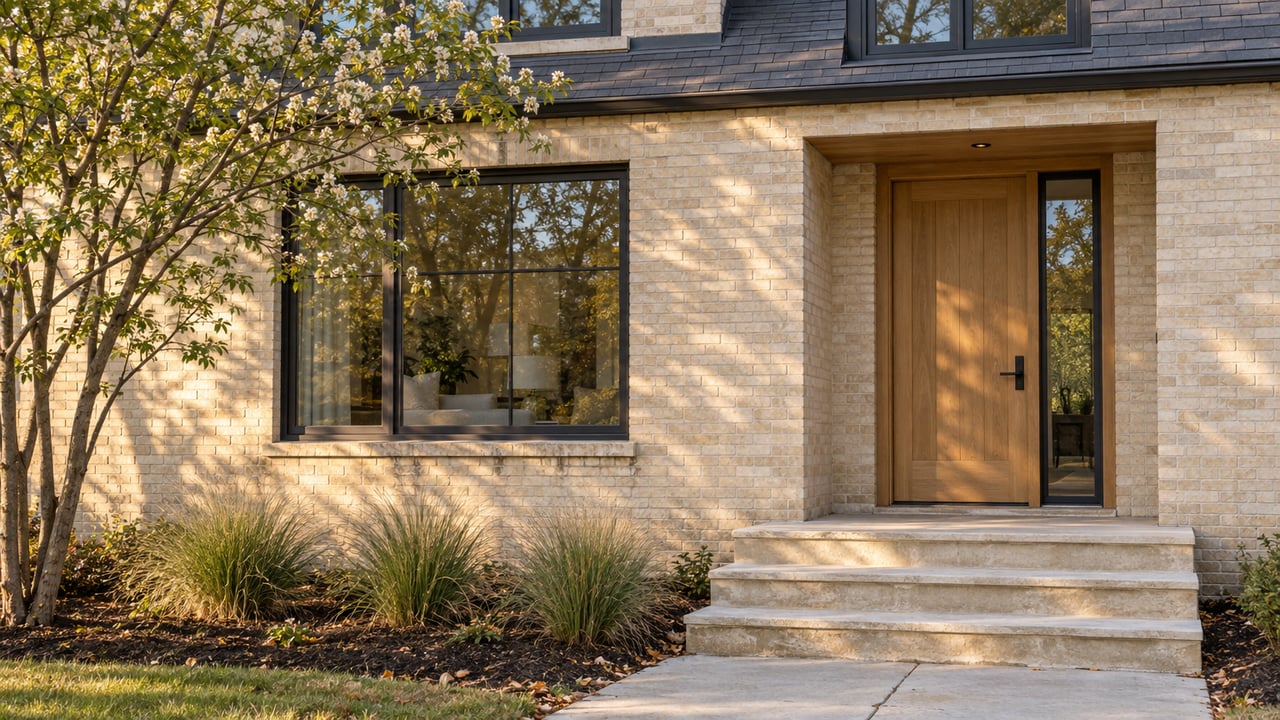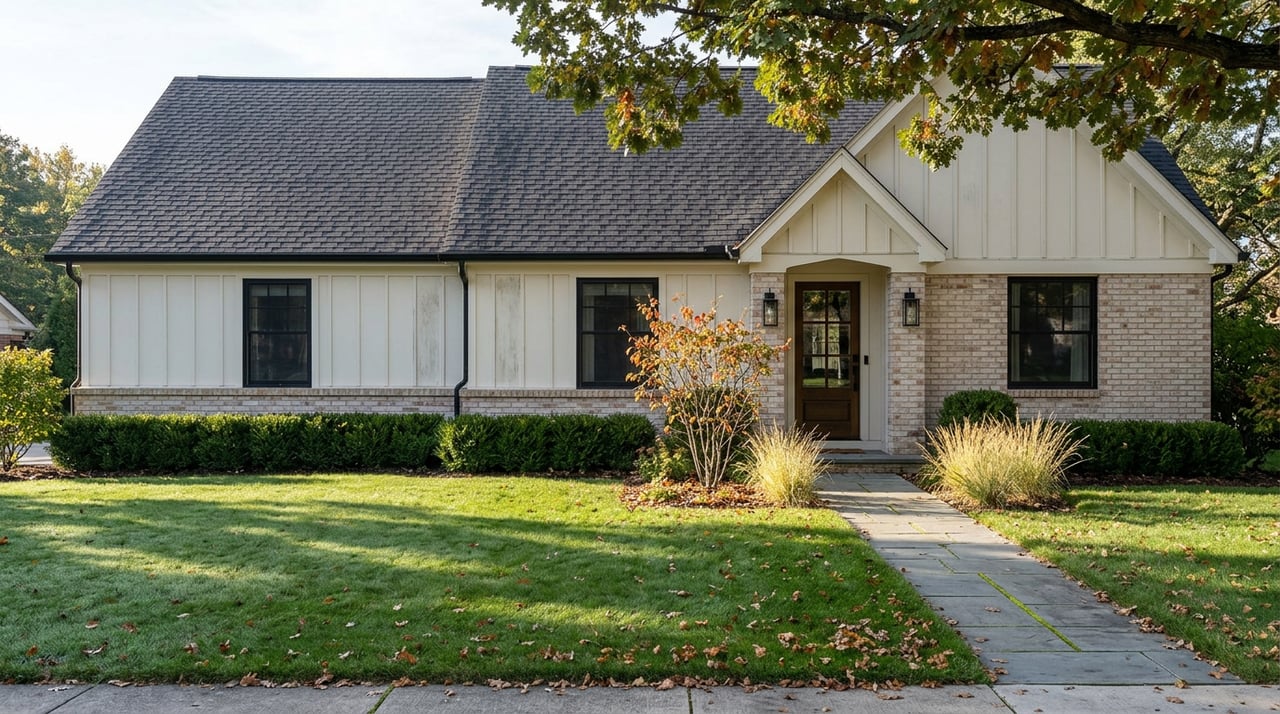
Wondering whether a split-level or a two-story home makes more sense in Des Plaines? You are not alone. In a suburb where many homes were built between the 1940s and 1980s, both layouts show up often enough to matter, but each one lives very differently day to day. If you are trying to choose a home that fits your routine now and still works for years to come, this guide will help you compare the tradeoffs with Des Plaines in mind. Let’s dive in.
Why this choice matters in Des Plaines
Des Plaines is largely a single-family home market. CMAP estimates that 58.8% of housing units are single-family detached and another 8.2% are single-family attached. The city also has a median housing year built of 1966, which helps explain why split-levels and classic two-story homes are both part of the local housing mix.
That age profile matters because layout is not just a style choice here. It often affects how a home feels, how easy it is to update, and how well it may support long-term living. Des Plaines planning materials also highlight aging in place, so buyers often benefit from thinking beyond the next few years.
Split-level vs two-story basics
What is a split-level home?
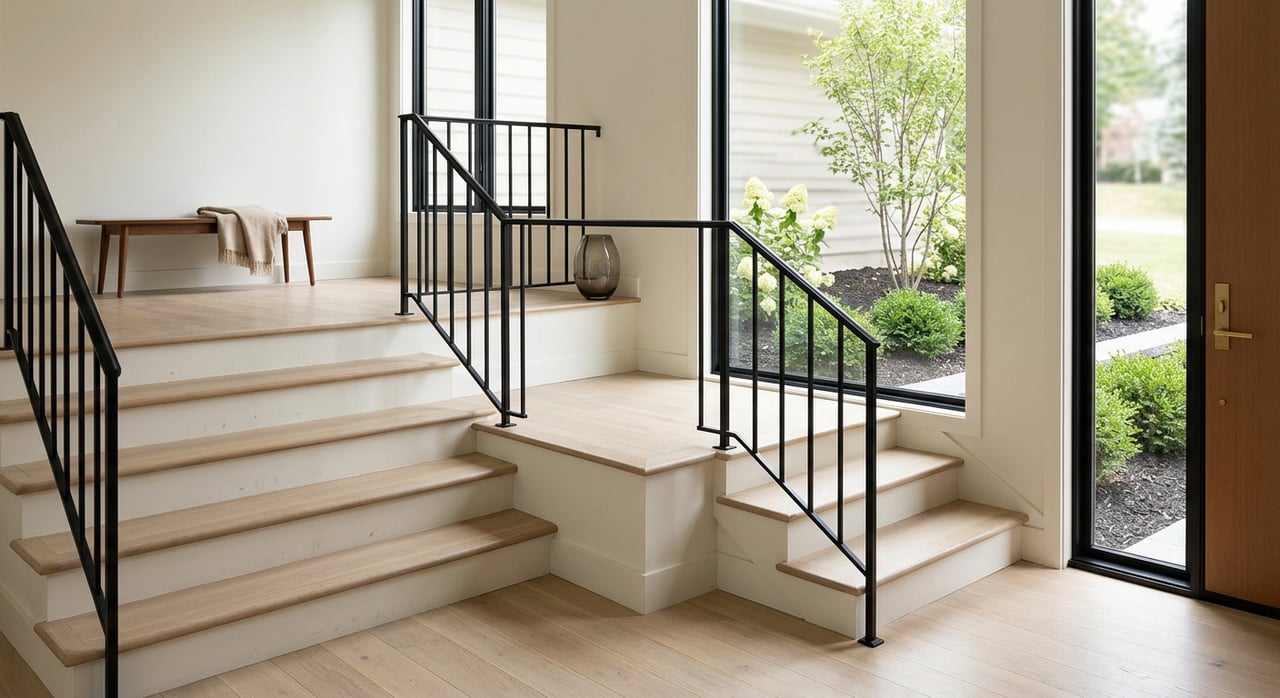
A split-level home uses staggered floors connected by short flights of stairs. In many cases, the front door opens near the middle level, with one set of stairs going up to bedrooms and another going down to a lower-level living area, garage access, or utility space.
In practical terms, split-level homes tend to feel more sectional. Instead of one long main floor and a full upper floor, the home is broken into zones. That can create separation without requiring a very large footprint.
What is a two-story home?
A two-story home stacks one floor directly above another. The main living spaces usually sit on the first floor, while bedrooms and some private spaces are located upstairs.
This layout feels more conventional and easier to read for many buyers. It often creates a stronger distinction between entertaining space and private space, which can be a plus if you prefer a clear daily rhythm.
How Des Plaines inventory often compares
Current and recent listing examples suggest that split-level homes in Des Plaines often fall in a smaller size range than two-story homes. Examples cited in the research cluster around roughly 1,200 to 1,650 square feet for split-levels.
By contrast, recent two-story examples in Des Plaines commonly begin around 2,300 square feet and extend well past 3,000 square feet. That is not a formal market average, but it is a useful expectation-setting tool if you are starting your search.
What that means for buyers
If you want a more compact single-family home with separated living zones, a split-level may offer exactly that. If you need more overall square footage, larger room sizes, or a broader range of layout options, two-story homes may offer more opportunities.
Inventory also appears somewhat limited for both styles. That means you may not be choosing between dozens of near-identical homes. In Des Plaines, the better approach is often to compare each home on its individual layout, condition, and update history rather than on style label alone.
Daily living: which layout fits your routine?
Split-level flow and function
A split-level can work well if you like distinct zones for different activities. The separation between levels can make it easier to create a home office, recreation area, or quieter sleeping space away from the busiest part of the house.
The tradeoff is movement. Even though the stair runs are shorter than a full staircase, you may find yourself going up and down more often throughout the day. Some buyers love the separation, while others feel the layout is more fragmented.
Two-story flow and function
Two-story homes often offer a simpler day-to-day pattern. You typically have main living spaces on one level and bedrooms on another, which creates a strong sense of privacy and order.
That said, all upstairs bedrooms require a full staircase. If you prefer easier circulation or want to limit stair use over time, that is something to think through carefully before you buy.
Privacy, light, and overall feel
Privacy differences
If you want bedrooms separated from social spaces, both styles can do that, but they do it in different ways. Split-level homes create separation through staggered levels, while two-story homes create it through a more traditional upstairs-downstairs layout.
For many buyers, two-story homes feel more private because the second floor is fully set apart. Split-levels can still feel private, but the transitions between spaces are often more immediate and more connected.
Light and atmosphere
Split-level homes often have low-pitched roofs, simpler exterior lines, and sometimes smaller windows. That can make some interiors feel darker or more segmented, depending on the home.
At the same time, a split-level can also feel surprisingly spacious because of its multilevel design. The key is to judge the actual interior experience during a showing instead of assuming the layout will feel one way or another.
Two-story homes can feel brighter if they have larger or more numerous windows, but that comes down to the specific property. In both styles, natural light, ceiling height, and sightlines matter more than the label on the listing.
Storage is more about features than style
Buyers sometimes assume one layout automatically offers better storage. In Des Plaines, current listing examples suggest it is more nuanced than that.
Split-level listings often highlight crawl-space storage, lower-level rooms, and storage sheds. Two-story homes more often emphasize mudrooms, larger garages, and stronger closet space. The better question is not which style has more storage in theory, but whether the home has the storage types your household will actually use.
Renovation potential in older Des Plaines homes
Because many Des Plaines homes date to the mid-century and later suburban building eras, updates matter. The city requires permits for certain construction projects, including remodeling, room additions, and attached garages. It also enforces current building codes.
Split-level renovation outlook
Split-level homes often respond well to focused improvements. Buyers commonly look for updated entries, improved windows, remodeled kitchens, refreshed stairs, and more usable lower levels.
What can be harder is major reconfiguration. Because each level tends to have a built-in role, large structural changes may be less straightforward than they are in a more conventional floor plan.
Two-story renovation outlook
Two-story homes usually offer more conventional remodeling flexibility. If you are thinking about changing room uses or making broader layout updates over time, this style may give you more familiar options.
Still, larger two-story homes can put more pressure on systems performance. It is smart to pay attention to HVAC function, comfort between floors, and the condition of major updates.
A smart showing checklist for Des Plaines buyers
When you tour split-level and two-story homes in Des Plaines, try to look past surface finishes. Layout only works if it supports your routine.
What to check in a split-level
- Count how many stairs you need to use between the front door, kitchen, bedrooms, garage, and lower level.
- Look at the front entry landing and ask whether it works for coats, shoes, bags, and daily drop-zone needs.
- Evaluate whether the lower level feels like true living space, useful office space, or simply overflow area.
- Notice whether the kitchen, dining, and living areas connect in a way that fits how you actually live.
What to check in a two-story
- Test how the first floor flows for everyday use and entertaining.
- Pay attention to how separate the second floor feels from the main living areas.
- Ask about heating and cooling performance between floors.
- Look at closet space, garage storage, and any mudroom or transition areas.
What to check in either style
- Ask whether major additions, basement finishes, or remodeling work were permitted and documented.
- Look for signs that updates were done thoughtfully and with long-term maintenance in mind.
- Think about how the layout may work not just now, but several years from now.
Which style makes sense for your goals?
Choose a split-level if you want:
- A more compact single-family footprint
- Distinct zones for living, sleeping, or work
- Mid-century character that may respond well to selective updates
- A layout that uses staggered levels to create separation
Choose a two-story if you want:
- More square footage options
- A traditional upstairs-downstairs layout
- Greater separation between social and private spaces
- More conventional renovation flexibility
Think long term before you decide
In Des Plaines, this decision is about more than appearance. The city’s emphasis on helping residents age in place is a useful reminder that stairs, circulation, and long-term comfort matter.
Neither split-levels nor two-story homes are ideal if you want minimal stair use, but they pose different challenges. Split-level homes involve multiple short stair runs, while two-story homes require a full staircase for upstairs bedrooms. Your own stair tolerance and long-term plans should be part of the decision.
The right answer usually comes down to how you live. If you value separation within a modest footprint, a split-level may feel efficient and practical. If you want more space and a traditional layout with strong privacy between floors, a two-story home may fit better.
If you are comparing homes in Des Plaines and want help weighing layout, condition, and long-term resale appeal, The PAK Group can help you narrow the options and buy with confidence.
FAQs
What is the difference between a split-level and a two-story home in Des Plaines?
- A split-level uses staggered floors with short stair runs between levels, while a two-story stacks one full floor above another with a more traditional upstairs-downstairs layout.
Are split-level homes usually smaller than two-story homes in Des Plaines?
- Current and recent listing examples suggest many Des Plaines split-level homes fall around 1,200 to 1,650 square feet, while two-story homes often start around 2,300 square feet and can be much larger.
Is a split-level or two-story home better for long-term living in Des Plaines?
- It depends on your comfort with stairs and your future plans, since split-level homes have multiple short stair runs and two-story homes usually require a full staircase to reach the bedrooms.
What should buyers check when touring older Des Plaines homes?
- You should look closely at stair use, room flow, lower-level usability, storage features, HVAC performance, and whether major remodeling or additions appear to have been permitted and documented.
Is it easier to renovate a split-level or a two-story home in Des Plaines?
- Split-level homes often work well for targeted updates, while two-story homes usually allow more conventional reconfiguration, though both should be reviewed carefully for condition and past permitted work.