Eyeing a Park Ridge home that might sit above the conforming loan limit? You are not alone. Many move-up and luxury buyers in this mature Chicago suburb discover that financing looks a little different once prices cross that line. In this guide, you will learn what counts as a jumbo loan, how lenders qualify these mortgages, what to expect from appraisals, how costs compare, and smart ways to stay competitive in Park Ridge. Let’s dive in.
What a jumbo loan means in Park Ridge
A jumbo loan is any mortgage that exceeds the conforming loan limit set each year by the Federal Housing Finance Agency. Because these loans are not eligible for purchase by Fannie Mae or Freddie Mac, banks and other investors set their own underwriting standards. If your target price in Park Ridge is above the current FHFA limit for a one-unit home, you will likely use jumbo financing.
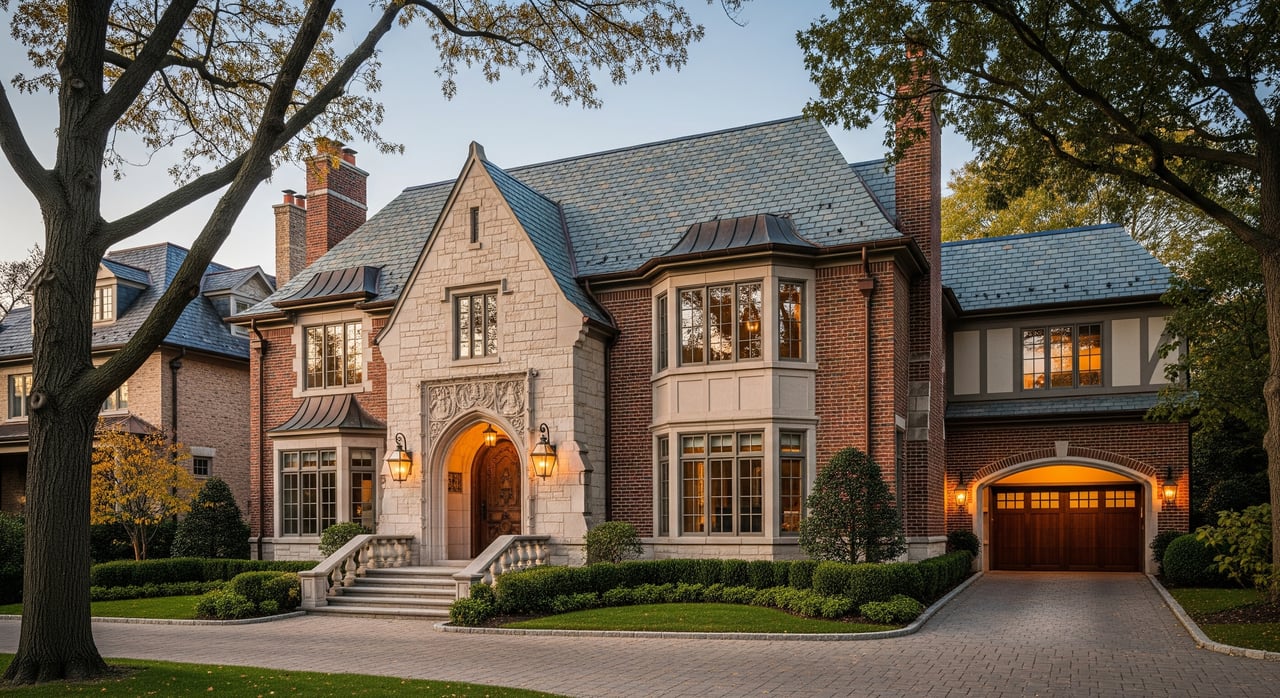
Park Ridge has a strong mix of larger single-family homes and higher-end properties. Whether you need a jumbo depends on your price point and the year’s conforming limit. Before you start shopping in the upper tiers, confirm the current limit and review recent Park Ridge sales to see where your budget aligns.
How lenders qualify jumbo borrowers
Jumbo loans ask more of the borrower than many conforming programs. Strong preparation can improve your terms and timeline.
Credit score and history
Many lenders look for higher scores for best pricing, commonly in the low-to-mid 700s. A clean credit history, limited recent inquiries, and no major derogatory items help you qualify. Compensating strengths, such as larger savings or a bigger down payment, can offset a thinner file.
Debt-to-income ratio (DTI)
Jumbo programs often favor lower DTIs, around 43 percent or below for stronger pricing. Some lenders allow higher DTIs if you bring strong compensating factors, like significant cash reserves or substantial equity.
Down payment and equity
Many jumbo options start at 10 to 20 percent down. Putting 20 percent or more down can expand your lender choices, reduce rate and fee pressure, and simplify underwriting. A larger down payment lowers your loan-to-value ratio, which reduces risk for the lender and can improve your terms.
Cash reserves and documentation
Expect higher reserve requirements than conforming loans. It is common to see 6 to 12 months of total housing payments in liquid reserves, with larger loans sometimes requiring more. Documentation is thorough. Plan for recent bank statements, employment and income verification, and tax returns when applicable.
Employment and income stability
W-2 income with a steady history is straightforward. If you are self-employed or have commission-heavy income, you may be routed to jumbo programs that allow alternative documentation, which can require additional verification and sometimes different pricing.
Product choices
You will find fixed-rate jumbos, adjustable-rate options, and some interest-only structures. Availability and pricing vary by lender, credit profile, down payment, and whether the bank keeps your loan in its own portfolio.
Appraisals for higher-priced Park Ridge homes
Expect full appraisals
Automated appraisal waivers that you sometimes see with conforming loans are rarely available for non-agency jumbos. Plan for a full interior and exterior appraisal as the norm.
Fewer comparable sales
Upper-tier homes can have limited recent comparable sales, which makes valuation more nuanced. Appraisers may expand search areas or make larger adjustments for lot size, finishes, and other features common in Park Ridge and nearby northern Cook County suburbs.
More documentation helps
If a home has unique finishes or significant renovations, detailed information supports the value. Spec sheets, contractor invoices, and lists of upgrades can help the appraiser understand what sets the property apart.
Timeline and negotiation
Because there are fewer appraisers experienced with high-end suburban properties, turn times can run longer. Build in a buffer for the appraisal contingency. In competitive moments, sellers may ask for appraisal-gap language or prefer buyers who signal high closing certainty, which is why a strong jumbo pre-approval is so valuable.
Rates, costs, and alternatives
Rate patterns
Jumbo rates have historically been modestly higher than conforming rates, but the spread changes with market conditions, loan size, credit profile, and product type. Get quotes from multiple local lenders, compare all-in costs, and focus on the full payment and cash-to-close, not just the headline rate.
Closing costs
You will see the same categories of costs as conforming loans, such as origination, appraisal, title, and recording. Appraisals for higher-priced homes can cost more, and some lenders add program-specific fees for jumbo underwriting. Larger loan amounts make certain fees higher in dollar terms even if percentages are similar.
Mortgage insurance
Traditional private mortgage insurance is less common or more expensive on jumbo loans. Many buyers choose a down payment target that avoids PMI-like costs. Your lender can model scenarios so you see the trade-offs clearly.
Alternatives if you want to avoid a jumbo
- Piggyback structure: Pair an 80 percent first mortgage with a second mortgage or HELOC. This can avoid PMI, but second liens often carry higher rates and shorter terms.
- Portfolio loan: Some banks keep loans in-house and offer flexible underwriting for strong customer relationships or unique properties.
- Non-QM or bank-statement loans: Useful for self-employed buyers with variable income. Pricing is typically higher and documentation differs.
- Bridge loan: Short-term financing that lets you buy first and sell later. Helpful for move-up timelines, though it usually costs more.
- HELOC on your current home: Can support your down payment or help you structure around the jumbo threshold. Consider payment impact and overall leverage.
Local factors Park Ridge buyers should weigh
Property taxes and insurance
Cook County property taxes and local levies can be a significant part of your monthly obligation and can influence your qualifying range. For higher-value homes, confirm replacement-cost insurance coverage, and consider whether flood or sewer backup coverage is advisable for the specific property.
Inventory and timing
Seasonal patterns and school-year timing can shape both inventory and competition at upper price points. Plan your search with these cycles in mind, and consider flexibility on closing dates to reduce friction.
Local lender experience
Regional banks and credit unions active in the Chicago suburbs offer a range of jumbo and portfolio programs. Lenders familiar with Cook County appraisals and title processes can help keep timelines predictable.
Title, recording, and transfer taxes
Cook County follows standard recording procedures. Larger loan amounts increase the dollar size of title and recording costs. Review a sample closing disclosure early so there are no surprises.
Your jumbo-ready prep checklist
- Get a jumbo-specific pre-approval that reflects your target loan type, down payment, and realistic reserves.
- Review the current FHFA conforming limit, so you know where jumbo starts for your search.
- Verify your DTI with a lender using accurate tax, insurance, and HOA figures for Park Ridge.
- Collect documentation early, including bank statements, pay stubs, and tax returns.
- Decide on a down payment strategy that balances cash flow, rate, and flexibility.
- Ask for an upfront estimate of appraisal timing and possible need for a second opinion.
- Build an offer timeline that includes a buffer for appraisal review and underwriting.
Make your offer competitive
- Lead with a strong pre-approval. A letter that references the jumbo program and underwriting review signals confidence.
- Right-size contingencies. Keep protections you need, but consider reasonable timelines that reflect jumbo appraisal reality.
- Calibrate earnest money and closing date. Larger deposits and flexible dates can help in negotiations.
- Keep communication tight. Quick responses on documentation requests keep your file moving and build credibility with the seller’s side.
Bottom line
Jumbo financing in Park Ridge is achievable with thoughtful prep. You will navigate higher standards for credit, down payment, reserves, and documentation, and you should plan for a more detailed appraisal process. With a clear plan and a strong pre-approval, you can compete confidently for the right home in one of Chicago’s most sought-after suburbs.
Ready to talk strategy for your Park Ridge move-up or luxury purchase? Connect with The PAK Group for neighborhood guidance, a polished plan, and a seamless path from search to keys.
FAQs
What is a jumbo loan for Park Ridge buyers?
- A jumbo loan is a mortgage that exceeds the FHFA’s conforming loan limit for a one-unit home, so it is underwritten to non-agency standards by banks or investors.
How much do I need to put down on a jumbo in Park Ridge?
- Many programs start at 10 to 20 percent down, though 20 percent or more often improves pricing and reduces underwriting friction.
Are jumbo mortgage rates much higher than conforming rates?
- They can be modestly higher, but the difference varies by lender, market conditions, credit profile, and product; compare all-in quotes from several lenders.
Will a jumbo appraisal slow my Park Ridge purchase?
- It can, since upper-tier homes have fewer comparable sales and appraisers experienced with high-end properties are in shorter supply, so build in extra time.
What are alternatives if I want to avoid a jumbo loan?
- Common options include an 80/20 piggyback, a portfolio loan, a non-QM program for complex income, a bridge loan, or a HELOC used toward the down payment.
What local costs affect jumbo qualification in Park Ridge?
- Cook County property taxes, homeowners insurance for higher-value homes, and larger title and recording fees can influence your monthly payment and cash to close.