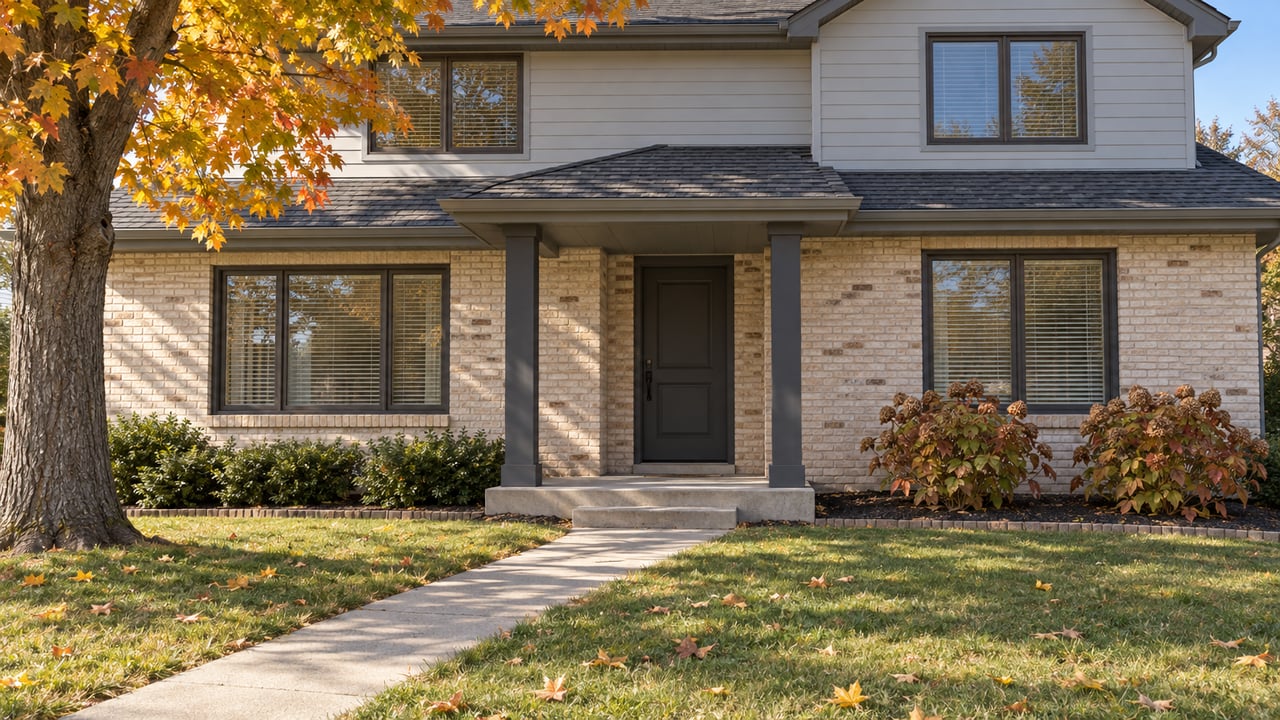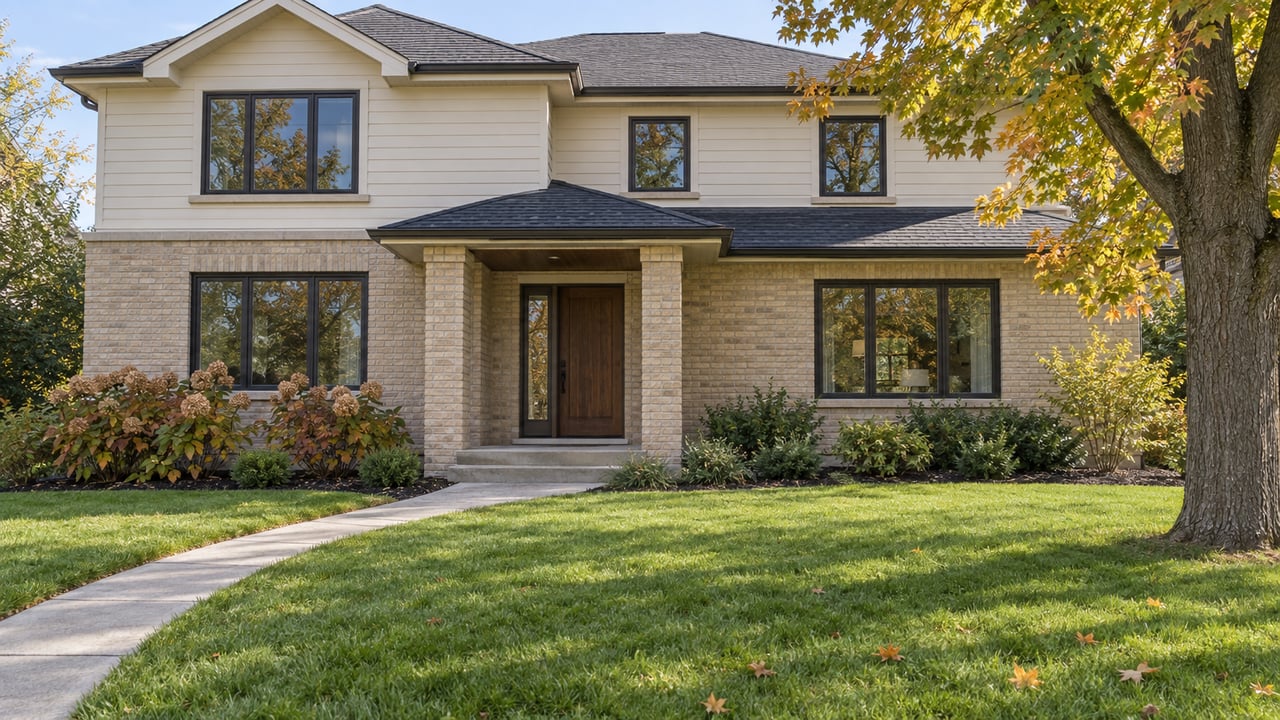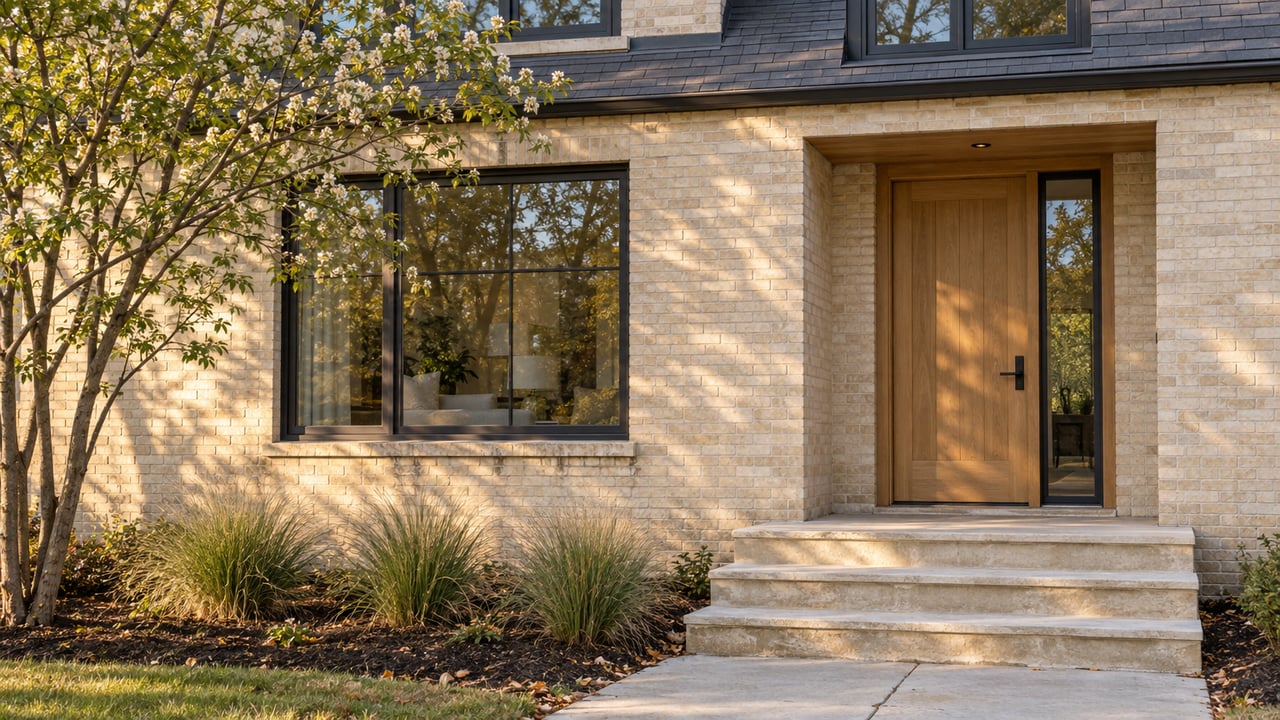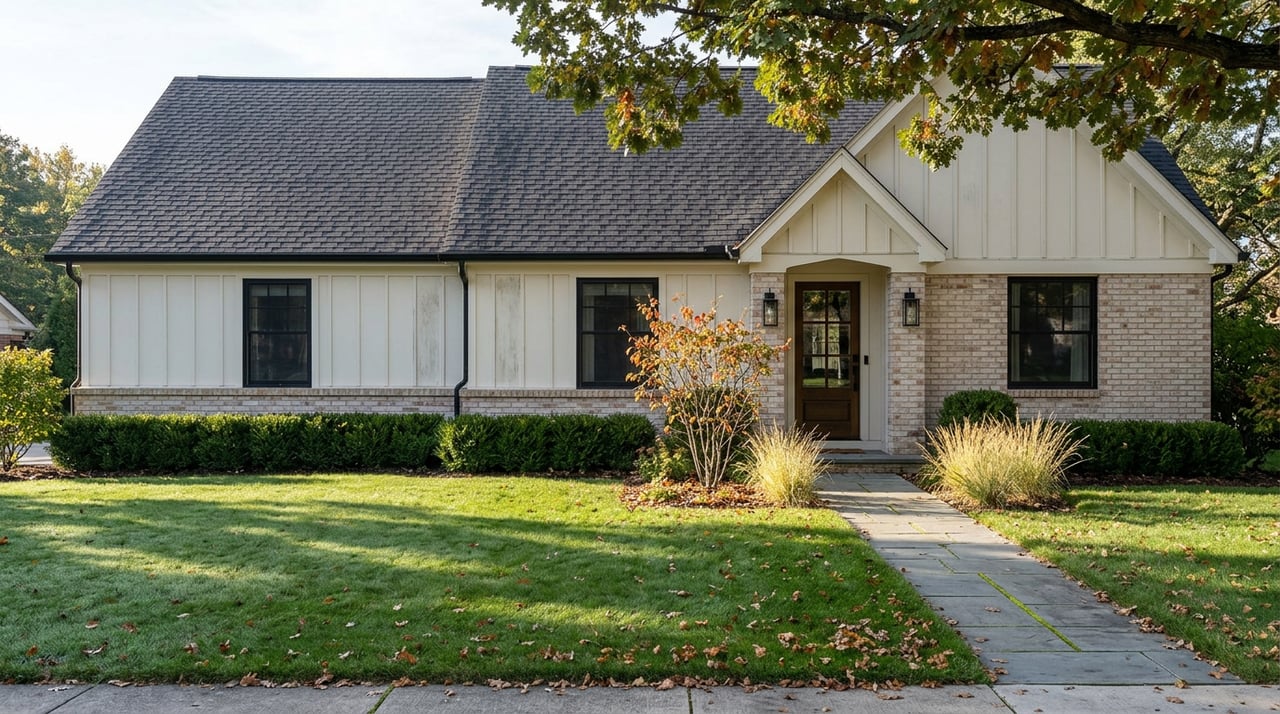
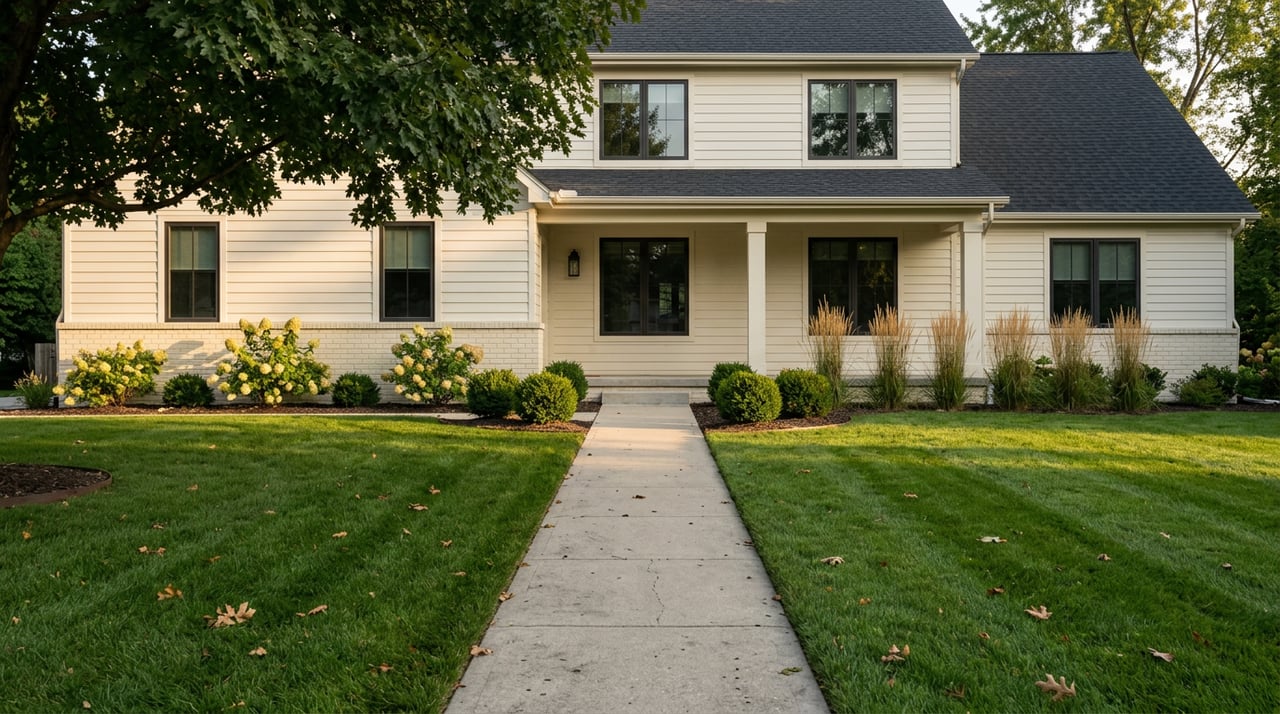
Two listings came up within a few blocks of each other in Park Ridge this spring, both priced around $650,000. One was a 1955 brick ranch on a quarter-acre lot in the Country Club area, original kitchen, original bathrooms, a furnace from the Clinton administration. The other was a new-construction five-bedroom sitting on a lot roughly half that size, finished this year, chef's kitchen, primary suite with a spa bath. Same price. Almost nothing else in common.
That gap is the story. In most suburban markets, price tracks house size and condition in a fairly predictable way. In Park Ridge right now, it doesn't, and the reason has less to do with kitchens and more to do with dirt.
The Number That Doesn't Match the Other Number
Over the three months ending May 2026, the median sale price for a Park Ridge home was $652,000, up 16.4 percent from the same stretch a year earlier. That's a strong number on its own. But the median price per square foot over the same period was $351, up 19.6 percent year over year, a faster climb than the price itself.
If houses were simply getting more expensive, those two figures would move together. Price per square foot rising faster than overall price means something more specific is happening: buyers are paying an increasing premium for square footage itself, independent of what's built on it. The land underneath the house is appreciating faster than the structure sitting on top of it.
There's a second wrinkle in the same data. Homes are also taking slightly longer to sell than they did a year ago, an average of 45 days now versus 43 days then, even as prices climb and competition stays fierce (homes are still fielding an average of 4 offers). That's not a market cooling off. It's a market where buyers are willing to wait a bit longer to get the right lot in the right pocket of town, rather than grabbing the first available house regardless of what's underneath it.
Where the Premium Is Actually Going
Park Ridge's zoning ordinance caps how much house can go on a given lot through floor area ratio, lot coverage, and open space rules, all spelled out in the city's zoning code. Those formulas mean a builder can't simply add square footage to make up for a smaller parcel. The lot itself sets a hard ceiling on what's buildable, which is exactly why a buildable lot in a desirable school boundary has become the scarcer, more fought-over asset, more so than any particular finish package inside the house.
That scarcity shows up in who's actually building here. Moloney Custom Homes, a builder that works exclusively in new construction, has completed 38 homes scattered across more than 20 different streets in Park Ridge, from Stanley Avenue and De Cook Avenue to Fairview, Crescent, Prospect, Harrison, and Prairie. That's not one subdivision. That's dozens of individual teardown-and-rebuild transactions happening block by block across the entire town, which is a very different signal than a single large development going up on one parcel.
Lexington Homes made a similar bet on infill after the last recession. Co-principal Jeff Benach has described the shift as builders moving away from buying raw farmland for subdivisions and toward finding one lot at a time inside towns people already want to live in. His firm's approach was to build on "the right place, right product and right price," and the company's Park Ridge Place project is a literal example: 16 townhomes built on a site that had been a farmhouse and a few barns, tucked next to the Chippewa Woods Forest Preserve in an already-established residential neighborhood. When builders stop looking for open land and start looking for the next infill lot, it's because open land isn't where the value is anymore.
The City Is Considering a Longer Runway for Larger Projects
Park Ridge's own government seems to be planning around a longer runway for bigger redevelopment. In July, the city's Procedures & Regulations Committee voted unanimously to advance a change that would let larger construction projects hold building permits for up to four years instead of the current 2.5-year maximum, for projects like multi-family buildings of 24 units or more, schools, hospitals, and government buildings, according to reporting from Journal & Topics. Community Preservation and Development Director Drew Awsumb pointed to the fire-damaged Bristol Courts condominium building as the case that exposed the gap in the old rule.
That amendment is aimed at large multi-family and institutional projects, not single-family teardowns, which typically finish well inside 2.5 years anyway. But it's still a useful data point for anyone trying to read the town's direction: city officials are considering a change to their own rules for larger projects. Single-family teardown activity and larger-scale redevelopment are two symptoms of the same underlying condition, a built-out town where the available land for any kind of new project is finite and every parcel gets fought over harder than the last one.
What This Means If You're Comparing Listings
If you're cross-shopping Park Ridge against other North and Northwest suburbs, the price-per-square-foot gap is worth building into your comparison, not just the headline median. A renovated 1950s home and a same-priced new build aren't interchangeable products even when the sticker price matches.
A few things worth checking as you tour:
- Lot size relative to the block, not just the listing. A lot that's noticeably larger than its neighbors in a walkable pocket like the Country Club area or Southwoods carries value the appraisal may not fully capture yet, especially if nearby teardowns have already happened.
- Which school boundary you're actually buying into. Homes inside the Field, Emerson, and Maine South boundary, or near Carpenter Elementary, tend to draw more builder interest precisely because families are willing to pay a premium to stay inside those lines, which keeps land values firm even when the house itself needs everything.
- Commute geometry. Proximity to the Dee Road or Edison Park Metra stops off Northwest Highway is part of what makes a lot valuable in the first place, and it's baked into land price whether or not the current house reflects it.
Our Park Ridge neighborhood guide and buyer's guide go deeper on how these pockets compare, and if the math on a rebuild-ready property is pushing you toward a larger loan than you expected, it's worth a look at how jumbo financing works for Park Ridge buyers before you get too far into a bidding situation.
What This Means If You're Selling an Older Home
If you own one of the original 1950s or 1960s homes that Park Ridge still has plenty of, this data cuts a different way. You're not just selling a house. You're selling a lot with a house on it, and the pricing conversation should reflect that split.
A few practical implications:
- Cosmetic staging matters less than it does elsewhere in town. If your home sits on a lot that fits the profile builders are already targeting, buyers touring it may be mentally pricing the land and budgeting for their own renovation or rebuild regardless of what you've updated.
- Full-scale renovation before listing isn't automatically the highest-return move. Spending heavily to modernize a kitchen or bath can help with a traditional resale buyer, but it won't move the needle with a buyer who's already planning to rebuild, and it's worth having that conversation with your agent before committing to a budget.
- Pricing needs two comparisons, not one. Your home should be priced against both recent sales of comparable existing houses and recent land or teardown sales on similar lots nearby, since those are two different buyer pools bidding on the same address.
Our seller's guide walks through how we think about pricing strategy for exactly this kind of dual-market property, and our post on closing costs in Park Ridge covers what to expect on the transaction side once you've got an offer in hand. If you're weighing whether targeted updates are worth the investment before you list, our breakdown of smart home upgrades Park Ridge homeowners should invest in is a useful starting point, though the land-value math above should come first.
A Few Questions Worth Asking Before You Commit
Does a bigger lot automatically make a home a teardown candidate? Not on its own. Zoning limits like floor area ratio and lot coverage vary by lot and by district, so what's buildable on one parcel isn't automatically true two doors down. It's worth having actual numbers run before assuming a lot supports a larger rebuild.
Is this happening evenly across Park Ridge? No. Builder activity has clustered around specific pockets, particularly areas close to Uptown, Metra access, and the more sought-after elementary boundaries. A lot near Centennial Park or inside the Field/Emerson/Maine South boundary carries a different premium than a comparable lot farther from those anchors.
Should I renovate my older home before I sell it? It depends entirely on whether your buyer pool skews toward traditional resale or toward builders and rebuild-minded buyers. That's a conversation worth having with someone who knows which streets in town are seeing teardown activity right now and which aren't.
If you're trying to figure out which side of this market your Park Ridge property sits on, whether you're comparing a renovated original against new construction, or deciding how to price a home that could go either way, The PAK Group can walk through the actual comparables street by street. Request your complimentary home valuation and we'll show you what the numbers say about your specific lot.
This article is general information, not legal, tax or financial advice. Consult a qualified professional about your situation.